What to Expect at Your QME Exam
A clear guide for injured workers scheduled with Dr. Hamid Rowshan DC, QME.
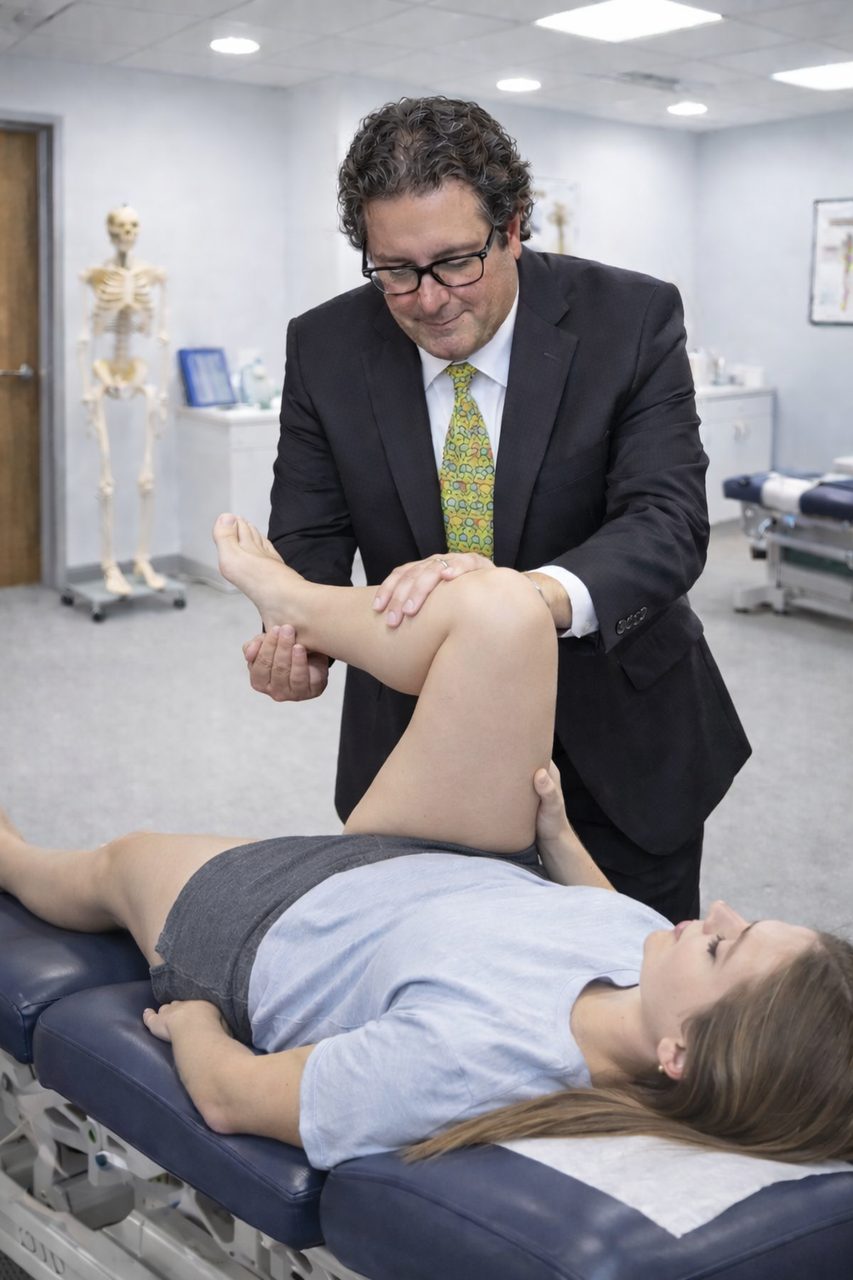
A QME (Qualified Medical Evaluator) exam is a medical-legal evaluation requested in a California workers’ compensation claim. The purpose is to provide an independent, evidence-based medical opinion on the issues in dispute. This visit is different from a treatment appointment.
Before Your Appointment
Records Review & Appointment Confirmation
- Our office may review medical records provided by the parties before your exam.
- You will receive appointment details (date, time, location) and any instructions.
- Arrive early to complete check-in and any required forms.
What to Bring
- A valid photo ID
- A list of current medications (or the bottles)
- Any braces/splints/assistive devices you use (cane, walker, etc.)
- Relevant imaging reports you have (MRI/X-ray/CT), if available
- A brief timeline of your injury and treatment (optional but helpful)
What to Wear
- Comfortable clothing that allows movement and exam access (e.g., loose shirt, shorts/leggings).
- Avoid restrictive clothing when possible.
Interpreters / Language Assistance
If you need an interpreter, tell the scheduling staff as soon as possible. Interpreters help ensure accurate communication and a fair evaluation. Do not rely on children to interpret. Interpreter arrangements are generally coordinated through the claims process/parties, depending on case requirements.
Check-In and Intake
At check-in you may be asked to verify identity and basic information, review and sign standard forms (privacy, consent, and medical-legal acknowledgments), complete a health history / symptom questionnaire, and confirm the body parts/conditions you are being evaluated for.
During the QME Examination
1) Medical-Legal Interview
You will be asked about how and when the injury happened, prior injuries and relevant medical history, current symptoms, treatment received, work history and job duties, and current functional limits (walking, lifting, sitting, standing, driving, sleep, etc.).
2) Physical Examination
Depending on the issues in your case, the exam may include observation of posture and gait, range of motion and functional testing, palpation and orthopedic/neurologic screening, and review of assistive devices. Do your best effort, but do not push past unsafe pain. If something hurts or you cannot perform a test, tell the doctor immediately.
3) Review of Medical Records
Dr. Rowshan may reference clinic notes, PT/chiro notes, specialist reports, imaging results, and prior evaluations as applicable.
What the QME Exam Is (and Is Not)
The QME exam is: an independent evaluation for a workers’ comp dispute; focused on medical-legal questions such as diagnosis, causation, work status, impairment, and apportionment; based on your history, exam findings, and the records provided.
The QME exam is not: a treatment visit; a second opinion for choosing treatment; or a guarantee of any specific outcome or benefits.
Accessibility & Accommodations
If you have mobility needs or require accommodations, please inform scheduling in advance so we can plan appropriately.
Questions before your appointment?
Contact YourQME for scheduling help, interpreter requests, or forms.
Call 714-936-9700 or 877-QMEchiro
Email QMEappointment@outlook.com